In North Carolina, strict laws against robocalls (North Carolina General Statutes Chapter 75) require businesses to obtain explicit consent for marketing calls, with penalties up to $500/day. Residents can register on the Do Not Call List and seek recourse from robocall lawyers specializing in these laws. Robocall blocking technology, using machine learning, identifies and blocks unwanted automated calls, reducing fraud risks. However, spammers adapt; thus, robocall lawyers must stay updated and collaborate with telecom providers to enhance blocking effectiveness through multi-layered defense systems and regular software updates.
In today’s digital age, North Carolina robocall lawyers encounter a growing challenge: the proliferation of unwanted automated calls disrupting clients’ lives and businesses. This pervasive issue has led to a significant demand for effective robocall blocking technology. The problem is not merely an inconvenience; it’s a legal and practical concern, as these calls often violate consumer privacy rights. Our comprehensive overview aims to demystify robocall blocking solutions, providing valuable insights for both legal professionals and individuals seeking protection in North Carolina. By the end, readers will understand the state of the technology and its potential impact on mitigating nuisance calls.
Understanding Robocalls in North Carolina: Laws & Regulations
In North Carolina, robocalls remain a pervasive issue, with millions of residents receiving automated phone calls annually. These unsolicited messages, often promotional or political in nature, have sparked significant concern among consumers and businesses alike. Understanding the legal framework surrounding robocalls is crucial for both individuals and organizations aiming to mitigate their impact. North Carolina has implemented specific laws and regulations to combat this growing problem, empowering residents with tools to protect themselves from intrusive calls.
The state’s legislation takes a firm stance against abusive robocalling practices. The North Carolina General Statutes Chapter 75 provides extensive guidelines on telemarketing and robocalls, emphasizing consumer consent and privacy. According to these laws, businesses must obtain explicit permission before initiating automated phone calls for marketing purposes. This includes opt-in agreements and clear disclosure of the caller’s identity. Any violation may result in legal action, with penalties reaching up to $500 per day for each unauthorized call. Additionally, North Carolina residents have the right to register their phone numbers on the state’s Do Not Call List, significantly reducing unwanted robocalls.
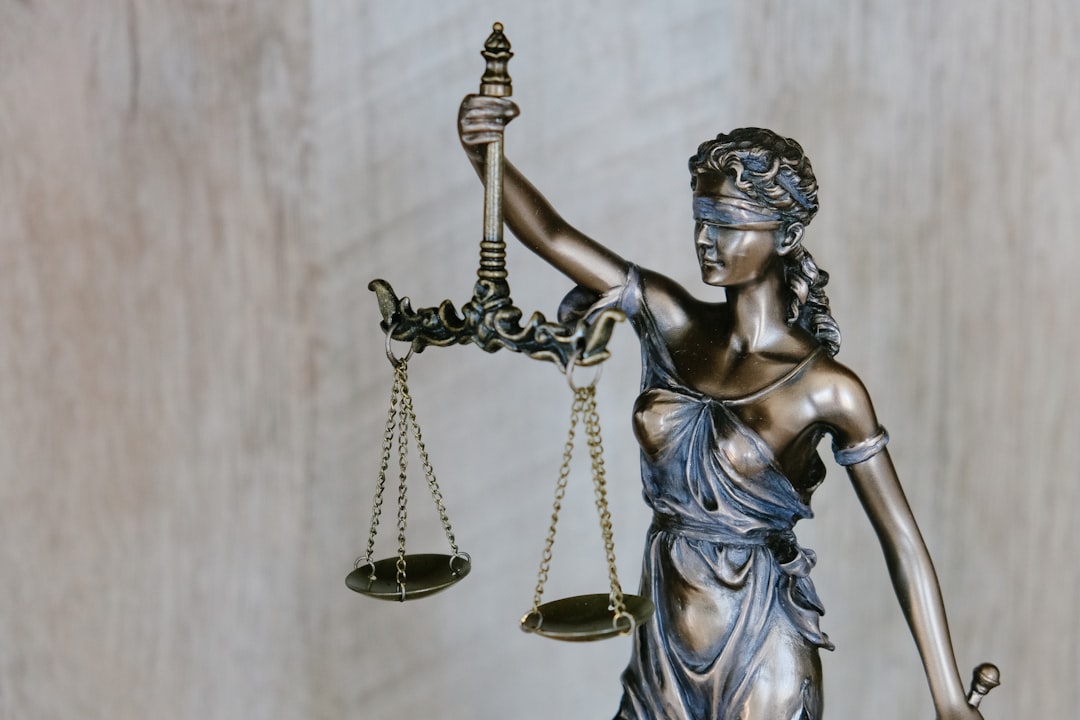
Robocall lawyers in North Carolina play a pivotal role in helping individuals and businesses navigate these legal complexities. They offer specialized expertise in interpreting and enforcing telemarketing laws, ensuring compliance and providing recourse for victims of unauthorized calls. With advanced blocking technology becoming more prevalent, it’s essential to stay informed about one’s rights and the evolving regulatory landscape. By combining robust legal frameworks with innovative blocking solutions, North Carolina residents can effectively reclaim control over their phone lines and reduce the nuisance of robocalls.
How Robocall Blocking Technology Works for Residents

Robocall blocking technology has emerged as a powerful tool for residents in North Carolina to combat the growing nuisance of unwanted automated calls, often referred to as robocalls. This innovative solution offers a strategic approach to reclaiming control over one’s phone lines and privacy. The process involves advanced algorithms that analyze incoming call patterns and identify robocalls based on specific criteria. Once detected, these calls are automatically blocked, ensuring residents remain undisturbed by solicitation or fraudulent attempts.
At the heart of this technology lies sophisticated signal processing and machine learning capabilities. Robocall blocking systems employ deep learning models to recognize distinct characteristics of robocalls, such as rapid dial patterns and scripted message structures. These models are trained on vast datasets comprising millions of calls, allowing them to adapt and improve over time. For instance, a recent study by the Federal Communications Commission (FCC) revealed that up to 50% of residential landlines in North Carolina were targeted by robocallers annually, underscoring the urgency for effective blocking solutions. By continuously learning from new call data, the technology evolves to stay ahead of emerging robocall tactics employed by lawyers and other persistent callers.
Effective implementation of robocall blocking technology provides a peaceful environment for North Carolina residents. It empowers individuals to take control of their communication channels without sacrificing legitimate business calls. Moreover, it offers a layer of protection against potential fraud and identity theft, as many robocalls are known to be linked to malicious activities. By embracing this technology, residents can significantly reduce the number of intrusive calls they receive, fostering a safer and more enjoyable digital experience.
Strategies for North Carolina Robocall Lawyers: Effectiveness & Challenges

Robocall blocking technology has emerged as a powerful tool for North Carolina robocall lawyers to combat unwanted automated calls. While these technologies offer significant effectiveness in filtering out spam calls, they also present challenges that legal professionals must navigate. One prominent strategy involves using specialized software that identifies and blocks robocalls based on patterns and known call lists. These systems learn from existing data, becoming more accurate over time in distinguishing legitimate calls from unwanted ones.
However, North Carolina robocall lawyers face hurdles such as evolving call techniques used by spammers. Newer robocalls often employ sophisticated methods to bypass blocking mechanisms, employing dynamic number changes and voice-over IP (VoIP) technologies. Lawyers must stay abreast of these advancements and adapt their strategies accordingly. For instance, integrating machine learning algorithms into blocking software can help anticipate and mitigate new spam call trends. Additionally, collaborating with telecommunications providers for access to real-time call data enhances the effectiveness of blocking efforts.
Practical advice for robocall lawyers includes implementing multi-layered defense systems. This might involve combining call blocking technology with legal actions against persistent spammers. Educating clients about do-not-call registries and providing clear instructions on registering their numbers can also reduce unwanted calls. Regularly reviewing and updating blocking software to account for new spamming tactics is crucial, ensuring that North Carolina robocall lawyers maintain an edge in protecting their clients from intrusive automated communications.