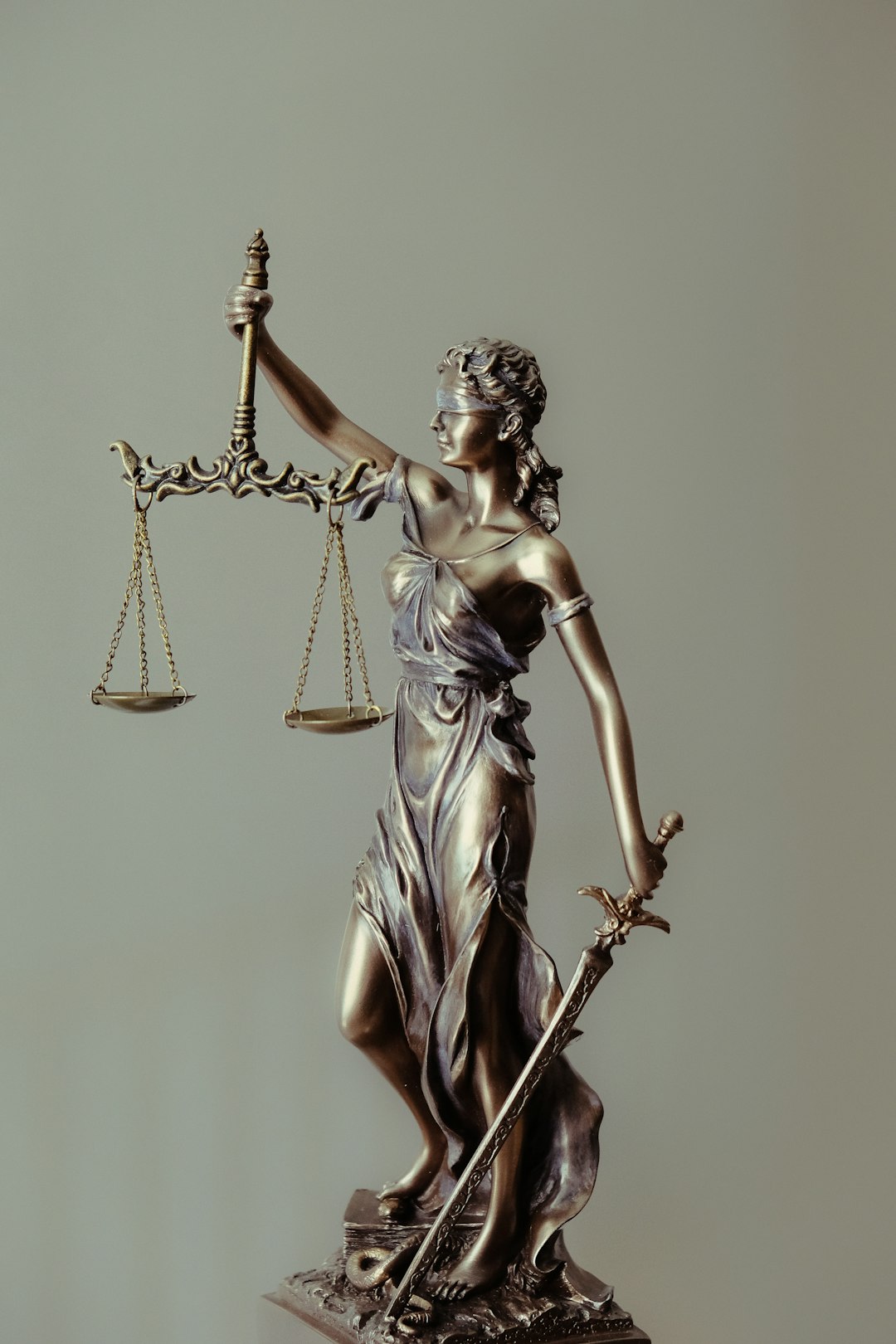
Spam calls, especially robocalls, are a significant issue in North Carolina, with the state's TCPA restricting pre-recorded messages without consent. Robocall attorneys specialize in identifying and blocking these calls, guiding clients on compliance, and seeking damages for violators. Apps like TrueCall and Hiawatha offer additional solutions. These attorneys provide legal insights, helping residents combat robocalls through a combination of technology and law, including individual damages of up to $500 per violation under the TCPA. Engaging a robocall Attorney North Carolina is crucial for effective protection against evolving spamming tactics.
In today's digital era, the prevalence of robocalls has become a growing concern for residents across North Carolina. These automated phone calls, often from unknown sources, can be intrusive and disruptive, leading many to seek effective solutions for blocking spam calls. As a robust legal framework exists to combat this issue, understanding the available resources is paramount. This authoritative piece delves into the comprehensive strategies and tools that North Carolina offers to its citizens, empowering them to reclaim control over their communication channels from robocall attorneys and other unwanted callers.
Understanding Spam Calls & North Carolina Law

Spam calls, particularly those from automated systems known as robocalls, have become a pervasive issue nationwide, including North Carolina. Understanding these unwanted calls is essential, especially given the legal protections available to residents under North Carolina law. A robocall attorney North Carolina can offer valuable guidance on navigating this complex landscape.
North Carolina's Telephone Consumer Protection Act (TCPA) provides stringent regulations against spam calls. The TCPA prohibits prerecorded or artificial voice messages from being sent without prior express consent. This includes marketing calls, survey requests, and political campaign calls. Importantly, the law considers lack of explicit consent a violation, even if the recipient has not explicitly blocked or rejected the calls. For instance, a 2022 study by the Federal Communications Commission (FCC) revealed that over 45 million spam calls were made to North Carolina residents in a single month, highlighting the urgency of addressing this problem.
Robocall attorneys in North Carolina play a crucial role in helping individuals protect their rights and manage the influx of unwanted calls. They can assist with identifying legitimate calls from spammers versus protected calls from known contacts, ensuring compliance with TCPA regulations. By understanding the nuances of spam call laws, these legal experts can guide clients on blocking calls effectively. This includes utilizing National Do Not Call Registry options and implementing specific call-blocking features offered by modern communication technologies. Furthermore, they can represent clients in cases where their rights have been violated, advocating for financial damages or other remedies as stipulated by the TCPA.
Tools & Apps to Block Robocalls in NC

In North Carolina, as across the nation, robocalls have become a persistent and frustrating nuisance for many residents. Fortunately, there are robust tools and apps available to combat these unwanted calls, offering significant relief to consumers. One effective strategy involves utilizing specialized software designed to identify and block automated robocallers, ensuring a quieter, more peaceful phone experience.
Several reputable options exist in the market, each leveraging advanced technologies like AI and machine learning algorithms. For instance, applications such as TrueCall or Hiawatha allow users to not only block known robocalls but also report them, contributing to a collective effort to identify and regulate spam callers. These apps often incorporate features like call screening, caller ID blocking, and customizable settings to tailor the level of protection desired. Moreover, many providers offer integration with major telecommunications networks, ensuring wider coverage against these persistent intrusions.
Additionally, a robocall attorney in North Carolina can provide valuable insights into legal protections and emerging regulations aimed at curbing automated spam calls. While laws like the Telephone Consumer Protection Act (TCPA) offer safeguards for consumers, staying informed about evolving legal landscapes is crucial. Utilizing these technological tools in conjunction with legal knowledge empowers residents to take a proactive approach against robocalls, reclaiming control over their communication channels and enhancing digital privacy.
Legal Action: Your Rights & A Robocall Attorney

In North Carolina, as across the nation, consumers are increasingly burdened by unwanted robocalls. While many anti-spam measures exist, legal action remains a crucial tool for those affected by these intrusive calls. Understanding your rights and seeking the assistance of a robocall Attorney North Carolina can be a powerful response to this growing issue.
North Carolina law provides substantial protections against unsolicited telephone marketing calls, particularly when they involve prerecorded messages or automated dialers—the primary vectors for robocalls. The state's Telephone Consumer Protection Act (TCPA) mirrors federal regulations and allows recipients to file lawsuits against violators for individual damages of up to $500 per violation, with treble damages available if willful or knowing violations occurred. This legal framework empowers consumers to take action against spammers, but it also requires a thorough understanding of one's rights and the best course of legal recourse.
A robocall Attorney North Carolina can offer invaluable guidance in navigating these complex laws. They can help individuals and businesses determine if they've been targeted by illegal robocalls, assess potential violations, and explore legal options for relief, including block orders, monetary damages, or injunctive relief. With the sheer volume of robocalls and the evolving nature of spamming tactics, enlisting a legal professional who specializes in this area is essential to securing effective protection. Such attorneys can also counsel clients on best practices to minimize future harassment, ensuring that they exercise their rights within the confines of the law.